


One hospital’s surplus is another’s treasure
05/08/2026
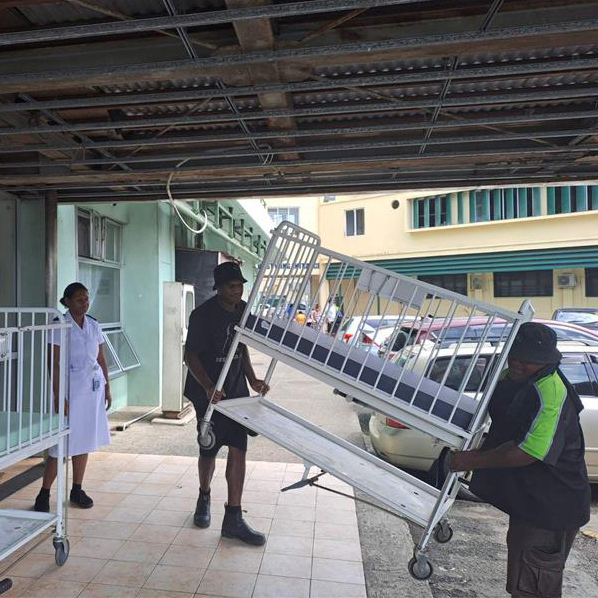
When a collection of paediatric cots left Cabrini after an equipment upgrade, few would have guessed that they’d end up improving lives across the Pacific Ocean.
The cots are among other items of surplus medical equipment and furniture regularly donated by Cabrini to the Katalyst Foundation, a charity delivering much needed healthcare, education and community support to Fiji.
“There were no beds for paediatric small humans before,” Cabrini Equipment Manager, Paul Bishard, who leads the donation initiative, said. “Being a catalyst, no pun intended, for better health outcomes for those less fortunate is really what drives this part of my role.”
Fiji, one of Australia’s closest neighbours, has a concerning 30 per cent of its population living below the poverty line, with its health system decades behind Australia’s.
“There’s a real gap between the healthcare Fijians have access to and what we’re fortunate to have in Australia,” said Liz Zamanis-Robinson, CEO of the Katalyst Foundation.
“We see our role as standing alongside the government and communities here, supporting the facilities and systems that have been under-resourced for too long, so every person gets the care they deserve.”
Cabrini’s relationship with Katalyst began about four years ago, when the hospital found itself with excess equipment coming out of Covid, alongside new purchases that made previous items redundant. Rather than let them go to waste, Paul organised for Katalyst to send them where they were needed most.
“It’s a case of, hey, we’ve got stuff,” Paul said. “We’ll organise a walk through, identify it, look at volumes and then they work out the logistics to get it ready for shipping out to Fiji.”
Cabrini chairs, tables, over-bed tables and hospital beds have since found new homes in hospitals across Fiji, with particular focus on the Bua province. On a recent visit to the Colonial War Memorial Hospital, which has been largely untouched since the 1940’s, Liz noticed that Cabrini furniture and equipment was everywhere.
“It was so heartwarming to see that everything was actually being used,” Liz said. “That was probably the highlight of my trip, seeing everything that had been donated in this enormous hospital.”
For Paul, ensuring every donation is fit for purpose is one of the most important parts of the relationship. Before a recent shipment of resuscitaires went out, Paul had the Cabrini Chemtronics team inspect them to make sure they could be safely re-established once they arrived.
“One of the most important things from our perspective is that we don’t send things out that don’t work,” Paul said. “We do not want to be sending things that are effectively out of date or unusable to become a waste issue in another environment. That’s a responsibility that is ours to own.”
Across Fiji’s neonatal wards, the impact has been significant, where premature babies born with HIV are cared for using equipment that is often decades old, if it exists at all.
“There’s an enormous difference, to the point where doctors contact us directly now, and they’re very emotional when they see us,” Liz said. “We’re creating a better environment for them. The doctors and nurses want to come to work when they’ve got equipment that works. When we turn up with new equipment, it’s a huge relief for them.”
For Paul, knowing that equipment once destined for storage is now improving lives overseas is a good feeling.
“The relationship that has evolved between Katalyst and Cabrini has just been wonderful. It’s really heartwarming that we can make a difference.” Paul said.
As each shipment continues its journey across the South Pacific, it’s a reminder that every item, no matter whether it’s a chair or a piece of life-saving equipment, can make a lasting difference to those who need them most.